
kkokkolis
-
Αναρτήσεις
16300 -
Εντάχθηκε
-
Τελευταία επίσκεψη
-
Ημέρες που κέρδισε
28
Τύπος περιεχομένου
Forum
Λήψεις
Ιστολόγια
Αστροημερολόγιο
Άρθρα
Αστροφωτογραφίες
Store
Αγγελίες
Όλα αναρτήθηκαν από kkokkolis
-
Το στυλό είναι καλό στην αρχή, ιδίως για τον προσοφθάλμιο φακό, όχι όμως για τον αντικειμενικό (ούτε το κάτοπτρο εννοείται). Κατόπιν όμως στεγνώνει και σου αφήνει μαύρα κομματάκια πάνω στον φακό που φεύγουν δύσκολα. Καλύτερα το Wonder Fluid με ένα ύφασμα από μικροΐνες. Το πινέλο όμως είναι χρήσιμο για όσα δεν φεύγουν με ένα φυσερό (Giotto ή μεσαίο κλύσμα από φαρμακείο, το δεύτερο είναι πάμφθηνο). Γενικά απόφυγε τον καθαρισμό των αντικειμενικών, ειδικά αν είναι Plossl, Erfle, Kellner και Ortho. Κάθε κόκκος σκόνης ή ίνα που θα μείνει φαίνεται στο εστιακό πεδίο, ιδίως στην Σελήνη και την ημέρα. Όταν ο φακός έχει Barlow δεν υπάρχει το πρόβλημα αυτό (πχ Hyperions εκτός του 24 και διάφορα τύπου Nagler). Για το Collimation κάθε τι έχει υπέρ και κατά. Οι πολλές μέθοδοι σε μπερδεύουν. Διάλεξε μία και προχώρα. Αν πάρεις laser θα σου πει ο Τάσος για την μέθοδο Barlowed.
-

Το σύμπαν της τέχνης και οι τέχνες τ' ουρανού
kkokkolis απάντησε στην συζήτηση του/της kkokkolis σε Λοιπές Αστρονομικές Συζητήσεις
Homer's Scream
-
Το σύμπαν της τέχνης και οι τέχνες τ' ουρανού
kkokkolis απάντησε στην συζήτηση του/της kkokkolis σε Λοιπές Αστρονομικές Συζητήσεις
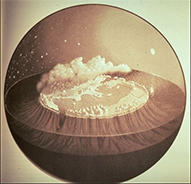
Ο Κόσμος σύμφωνα με τον Όμηρο, Αγνώστου
-
Εκπτώσεις στα προσοφθάλμια Explore Scientific
kkokkolis απάντησε στην συζήτηση του/της astrovox σε Προσοφθάλμιοι φακοί
Πάνω που έληξαν οι εκπτώσεις και οι τιμές ανέβηκαν, αποφάσισα να πάρω τους ES82 6.7 και 4.7mm. Μαζί με τον ES100 9mm έχω ένα σετάκι υψηλών μεγεθύνσεων τώρα. Τους 80ρηδες δεν τους έχω φυσικά δοκιμάσει αφού μόλις τους παράλαβα, αλλά είμαι ικανοποιημένος από την ποιοτική κατασκευή. Η εγκατάλειψη του περιστρεφόμενου παρεκτάματος είναι σωστή επιλογή καθώς ο φακός γίνεται μικρότερος και ελαφρύτερος και τα καπάκια σφηνώνουν καλύτερα. Τα field stop είναι ξεκάθαρα και παρουσιάζουν ακριβώς στην άκρη αυτόν τον ελαφρύ χρωματισμό (προς το πράσινο- κυανό) που προαναγγέλει την εμφάνιση ιριδισμού στα φωτεινά αντικείμενα, αλλά μόνο ακριβώς στο field stop. Οι Naglers T4 όμως έχουν παρουσιάζουν έναν βρόγχο φωτός όταν ένα φωτεινό αστέρι διατρέχει το field stop που είναι περισσότερο ενοχλητικό. Οι επιστρώσεις φαίνονταν ίδιες ακριβώς με εκείνες της παλαιάς σειράς ES82, τόσο στους νέους ES82 όσο και στον 100. Η κάννη και των τριών (και προφανώς όλων) διαθέτει μια προοδευτική κλίση η οποία είναι απείρως προτιμότερη από την συνήθη εγκοπή που φρακάρει στον μπρούτζινο δακτύλιο των διαγωνίων και εστιαστών. Το eye relief είναι μικρό (επισήμως 14mm) αλλά από τα 20mm βλέπω το ίδιο πεδίο που βλέπω και στον Radian, γύρω στις 60 μοίρες, με άνεση. Στον ES100 από την ίδια απόσταση βλέπω ένα πεδίο παρόμοιο με αυτό των Hyperions. Το υπόλοιπο πρέπει να το ψαρέψει το μάτι, σε αντίθεση με τους Naglers T4. Στα 14mm αυτό με ενοχλούσε κάπως, αλλά δεδομένου πως το σετάκι αναλαμβάνει τις υψηλότερες μεγεθύνσεις και όχι ερευνητικό ρόλο δεν με απασχολεί. Αν χρειαστεί βάζω Barlow στους Τ4 και λαμβάνω παρόμοιες μεγεθύνσεις με μεγάλο eye relief. Ο προσοφθάλμιος φακός είναι 25mm στον 6.7 και 20mm στον 4.7. Να τους δούμε και στην παρατήρηση, αλλά από τους 14mm και 9mm ήμουν ικανοποιημένος και δεν περιμένω εκπλήξεις. ΥΓ: Για ημερήσια παρατήρηση άψογοι. Λιγότερη θετική παραμόρφωση από τους Naglers (οι ευθείες παραμένουν σχεδόν ευθείες) και αόρατη καμπυλότητα πεδίου -αν υπάρχει. -
Το σύμπαν της τέχνης και οι τέχνες τ' ουρανού
kkokkolis απάντησε στην συζήτηση του/της kkokkolis σε Λοιπές Αστρονομικές Συζητήσεις
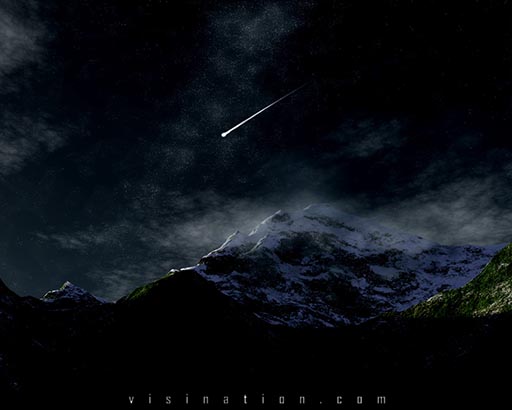
Shooting Stars, Blast Off! Poems About Space, Aileen Fisher, 1995 When stars get loosened in their sockets, they shoot off through the night like rockets. But though I stay and watch their trip and search where they have seemed to slip, I never yet have found a CHIP to carry in my pockets.
-
Το σύμπαν της τέχνης και οι τέχνες τ' ουρανού
kkokkolis απάντησε στην συζήτηση του/της kkokkolis σε Λοιπές Αστρονομικές Συζητήσεις
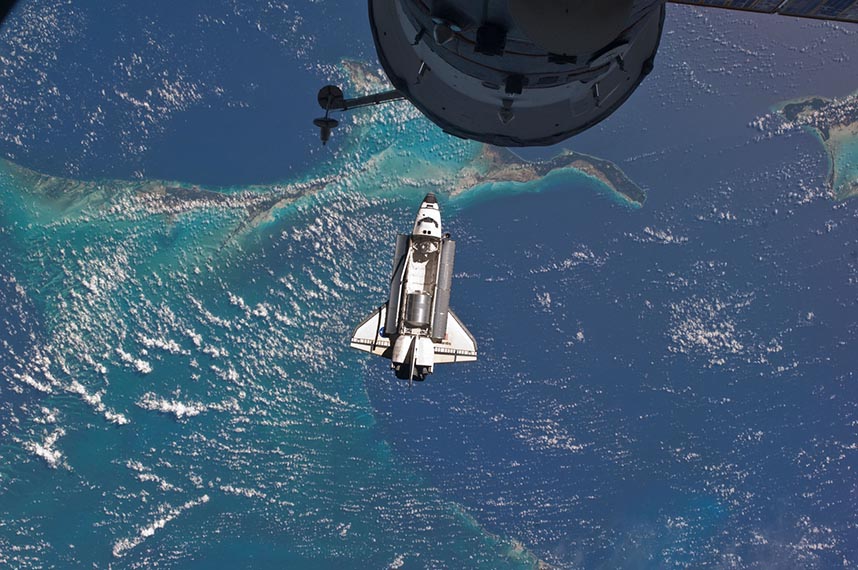
Atlantis' Last Approach, ISS Expedition 28 Crew, NASA, 2011 APOD 13/07/11
-
Πάντως στα αυτοκίνητα η φθορά των ρουλεμάν δεν είναι σπάνια, μάλλον αναμενόμενη θα έλεγα. Συγχαρητήρια για την (πάντοτε) μεθοδευμένη και ευειδή αναφορά Ιφικράτη.
-
Ξεμυτίζουν ένα- ένα: SW DOBSONIAN GOTO!
kkokkolis απάντησε στην συζήτηση του/της kkokkolis σε Τηλεσκόπια
Τάσο, από όρθιος, με eye relief 0 και χειροκίνητος, μεταμορφώνεσαι σε καθιστός, ανετοπτικός και ρομποτικός! Ωρίμασες! -
Ξεμυτίζουν ένα- ένα: SW DOBSONIAN GOTO!
kkokkolis απάντησε στην συζήτηση του/της kkokkolis σε Τηλεσκόπια
Μπορείς να κάνεις αίτηση προσφοράς για την βάση. Σε κάποιο link που μου έδωσε ο Ντίνος, ο έμπορος φοβάται την βάση και όχι τον σωλήνα κατά την μεταφορά. Κατά τον ίδιο αυτό σχετίζεται με το υλικό της (μοριοσανίδα). -
Ξεμυτίζουν ένα- ένα: SW DOBSONIAN GOTO!
kkokkolis απάντησε στην συζήτηση του/της kkokkolis σε Τηλεσκόπια
Προτιμώ ούτως ή άλλως να το πάρω από το Πλανητάριο Θεσσαλονίκης φθάνει η τιμή να μην ξεφεύγει πολύ από την μέση Ευρωπαική των 1570 ευρώ (+ μτφ). Για να δούμε. Τάσο, Μάνο, θα φτιάξουμε πυροβολαρχία! -
Ξεμυτίζουν ένα- ένα: SW DOBSONIAN GOTO!
kkokkolis απάντησε στην συζήτηση του/της kkokkolis σε Τηλεσκόπια
Εκατό ευρώ λιγότερα από Γερμανία είναι (και πόσα από Ελλάδα; Δεν έχω εικόνα). Αγοράζεις και το Astrozap ταυτόχρονα. Τα μεταφορικά πόσα να είναι; Μου βγάζει "The delivery method you have specified is invalid for your location" και δεν βλέπω τιμή. Ντίνο ευχαριστώ και πάλι, αυτό έψαχνα: "Goto and tracking - This is where this setup excells, setup time is substantially lower than an equivilent EQ mount for a 12" tube - think EQ6/cgem etc - turn on the scope and put in the usual stuff (time date etc) then select allignment, brightest star or two star, i have only used two star so far. Select your first star and manually center it, then select your second star and the scope will automatically slew to it, center it using the controller and thats it, 'allignment successful'. Now for the goto accuracy, it has allways put objects into the FOV of my 13mm ethos, and as you slew to more objects it seems to get more accurate, placing them almost in the centre of the FOV. Tracking also cannot be faulted, even at 4mm it kept jupiter centered and steady enough for viewing. Due to the ingenious design of the base you can really see loads of things in one session, simply manually move the scope to the general area of the sky then select the goto - cuts down on slewing time. You need to watch the power cable doesnt get caught in the base, a solution is to mount the power supply on the base." -
Ξεμυτίζουν ένα- ένα: SW DOBSONIAN GOTO!
kkokkolis απάντησε στην συζήτηση του/της kkokkolis σε Τηλεσκόπια
Ευχαριστώ Ντίνο! Αρχίζω την μελέτη. Είμαι καλά, περνάω μια χαρά και έχω μια πελώρια λαχτάρα για παιχνίδι με τον ουρανό. -
Οι ροδέλες μετακινούν την ερυθρά κουκίδα, η μία οριζοντίως, η άλλη κατακορύφως. Σημάδεψε έναν στόχο με το τηλεσκόπιο (φακός 25mm, την νύκτα το φεγγάρι, την ημέρα μια μακρυνή κεραία) και άναψε την κουκίδα. Δες την θέση της σε σχέση με τον στόχο και μετακίνησέ την πρώτα οριζοντίως και κατόπιν κατακορύφως έως ότου πέσει ακριβώς επάνω στον στόχο. Μετά θα κάνεις το αντίστροφο. Ό,τι σημαδεύει η κουκίδα θα βρίσκεται στο κέντρο του οπτικού πεδίου του τηλεσκοπίου σου. Καλορίζικο!
-
Το σύμπαν της τέχνης και οι τέχνες τ' ουρανού
kkokkolis απάντησε στην συζήτηση του/της kkokkolis σε Λοιπές Αστρονομικές Συζητήσεις
Astronomy, Richard Houston, 1721-1775
-
Ξεμυτίζουν ένα- ένα: SW DOBSONIAN GOTO!
kkokkolis απάντησε στην συζήτηση του/της kkokkolis σε Τηλεσκόπια
To Nexstar μου το οριζοντιώνω στο πι και φι με ένα Bullseye αλφαδάκι μειώνοντας το ύψος του σκέλους προς το οποίο ρέπει η φυσαλίδα. Αυτά τα Dob όμως έχουν σταθερά πόδια. Πως θα το κάνεις να είναι εντελώς οριζόντια αφού το GOTO είναι ιδιαιτέρως ευαίσθητα σε αυτή την αρχική θέση; Θα πρέπει να χρησιμοποιήσουμε τάκους; Ρυθμιζόμενα σκέλη για ντουλάπια από τα Praktiker; Κάτι άλλο; Επίσης KonstantinosM, μπορείς να δώσεις συνδέσμους με τις αναφορές που λες; Όλο σε πράγματα που έχω διαβάσει ξαναβγαίνω. Δυστυχώς δεν πουλιέται στην Αμερική και στο Cloudy Nights βλέπεις κυρίως κάποιες ρηχές αναφορές από Αυστραλία. Το καλοκαιράκι θα παρατηρώ με το 6SE και το SW8'' αλλά θα ονειρεύομαι αυτό το 12ρι. Δώστε υλικό παιδιά! -
Αντανάκλαση φακού ή κάτι άλλο;
kkokkolis απάντησε στην συζήτηση του/της Dimitris M. σε Εξοπλισμός για αστροφωτογράφηση
Δεν ακολουθεί την φορά της κίνησης των άστρων του ουρανού (η οποία φαίνεται καθαρά πως είναι διαγώνια) και ούτε διαθέτει ιδιοκίνηση, παρά μένει στατικό σε σχέση με την κάμερα. Επίσης παρουσιάζει ιριδισμό, από το σχεδόν μπλέ ψηλά, έως το σχεδόν κίτρινο χαμηλά. Και τα δύο αυτά στοιχεία ενισχύουν την υπόθεση της ανάκλασης πιστεύω. -
Τελος στις επανδρομένες αποστολες στο διαστημα??
kkokkolis απάντησε στην συζήτηση του/της just_jim σε Διάστημα
Το "commercial space travel to low Earth orbit (LEO)" μπορεί να αναπλαισιωθεί ώστε να συμπεριλαμβάνει την έννοια του διαστημικού τουρισμού. Η ακριβολογία είναι ευκταία και μεγάλο προτέρημα, ο καθημερινός λόγος όμως ακολουθεί τους δικούς του νόμους και υπάρχει λόγος γι αυτό καθώς η fuzzy logic δίνει εξελικτικό πλεονέκτημα στην καθημερινότητα. Οι επιστήμονες εκπαιδεύονται να ξεπερνούν το εμπόδιο αυτού του τρόπου σκέψης στον τομέα τους (αλλά σπάνια στην καθημερινότητά τους). Νομίζω πως πρέπει να αντιμετωπίζουμε τα θέματα αυτά χαλαρά και να διορθώνουμε ο ένας τον άλλον με τακτ και κοινωνικότητα. Εξ' άλλου λάθη δεν έχει κάνει όποιος δεν έχει κάνει τίποτε. -
Το σύμπαν της τέχνης και οι τέχνες τ' ουρανού
kkokkolis απάντησε στην συζήτηση του/της kkokkolis σε Λοιπές Αστρονομικές Συζητήσεις
Cosmonaught, Nikita Taranduke, 2011 Ελαιογραφία και ψηφιακή επεξεργασία
-
Το σύμπαν της τέχνης και οι τέχνες τ' ουρανού
kkokkolis απάντησε στην συζήτηση του/της kkokkolis σε Λοιπές Αστρονομικές Συζητήσεις
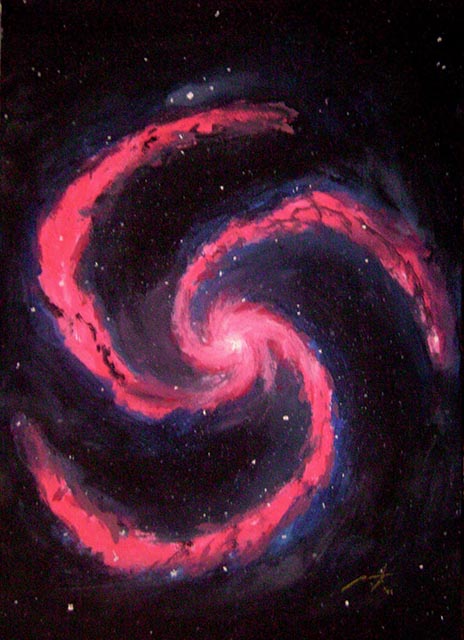
Spiral Galaxy, Norman, 2009 Ελαιογραφία σε καμβά
-
Το σύμπαν της τέχνης και οι τέχνες τ' ουρανού
kkokkolis απάντησε στην συζήτηση του/της kkokkolis σε Λοιπές Αστρονομικές Συζητήσεις
Horsehead, Norman, 2009 Ελαιογραφία σε καμβά
-
Το σύμπαν της τέχνης και οι τέχνες τ' ουρανού
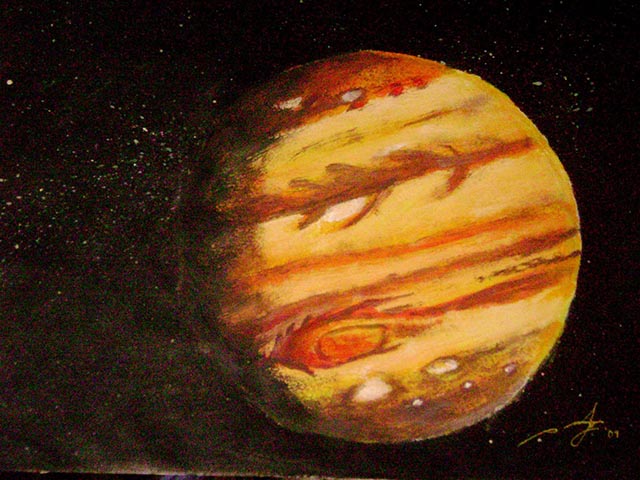
kkokkolis απάντησε στην συζήτηση του/της kkokkolis σε Λοιπές Αστρονομικές Συζητήσεις
Jupiter, Norman, 2009 Ελαιογραφία σε καμβά
-
Το σύμπαν της τέχνης και οι τέχνες τ' ουρανού
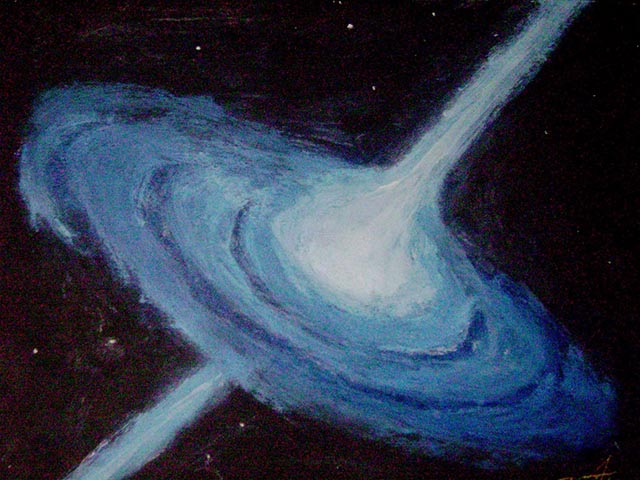
kkokkolis απάντησε στην συζήτηση του/της kkokkolis σε Λοιπές Αστρονομικές Συζητήσεις
Devouring Black Hole, Norman, 2010 Ελαιογραφία σε καμβά
-
Το σύμπαν της τέχνης και οι τέχνες τ' ουρανού
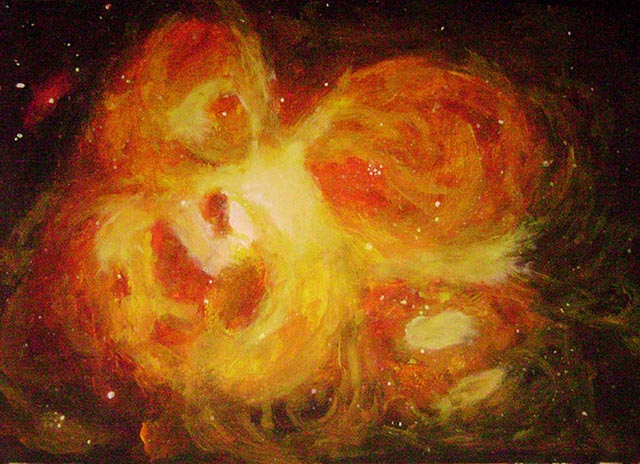
kkokkolis απάντησε στην συζήτηση του/της kkokkolis σε Λοιπές Αστρονομικές Συζητήσεις
Tarantula Nebula, Norman, 2010 Ελαιογραφία σε καμβά
-
Το σύμπαν της τέχνης και οι τέχνες τ' ουρανού
kkokkolis απάντησε στην συζήτηση του/της kkokkolis σε Λοιπές Αστρονομικές Συζητήσεις
Comet Hyakutake, Elmer Borlongan, 2011 Ελαιογραφία σε καμβά BenCab Museum, Baguio, Φιλιππίνες
-
Τελος στις επανδρομένες αποστολες στο διαστημα??
kkokkolis απάντησε στην συζήτηση του/της just_jim σε Διάστημα
Και κάτι σημερινό, πιάστε το με λαδόκολλα γιατί καίει ακόμη: (από Parabolic Arc) Groups Try to Save James Webb Space Telescope from Cancellation Posted by Doug Messier on July 11, 2011, at 6:00 am in NASA The campaign to save NASA’s budget has begun after a House committee approved a spending plan that would slash $1.9 billion from President Barack Obama’s budget request and cancel the James Webb Space Telescope (JWST). The Planetary Society is rallying its members to save the over budget and behind schedule space observatory, which is a successor to the Hubble Space Telescope. The society has online petitions that supporters can sign. One is for U.S. citizens to send to their Congressmen. The other is an international petition that will be sent to President Obama. Both petitions are broadly written; the domestic appeal reads: As your constituent and a member of the Planetary Society, I implore you to support NASA in its primary mission of space exploration. Please take a stand against letting vested interests legislate how to build rockets, while precious opportunities to advance science, technology and space exploration pass us by. By pioneering space exploration, NASA creates scientific and economic value for the future of our world. Meanwhile, other groups have issued statements saying that the JWST is far too valuable and far along in its development to cancel. American Astronomical Society Statement The proposal released on July 6 by the House Appropriations Subcommittee for Commerce, Justice, Science and Related Agencies to terminate the James Webb Space Telescope would waste more taxpayer dollars than it saves while simultaneously undercutting the critical effort to utilize American engineering and ingenuity to expand human knowledge. Such a proposal threatens American leadership in the fields of astrophysics and advanced space technology while likely eliminating hundreds, if not thousands, of high-tech jobs. Additionally, this proposal comes before the completion of a revised construction plan and budget for a launch of JWST by 2018. The United States position as the leader in astronomy, space science, and spaceflight is directly threatened by this proposal. The JWST is the highest-ranked mission in the National Academy of Science’s Astronomy and Astrophysics decadal survey released in 2000 and remains a high priority for the Nation’s astronomers in this decade as well, as the revolutionary successor to the Hubble Space Telescope. This survey, conducted once every 10 years by hundreds of the Nation’s leading scientists, prioritizes — based on scientific merit and impact — projects proposed by the scientific community that require significant government support for completion. These reports represent a community consensus on the efforts necessary to advance our knowledge of the universe. The potential of JWST to transform astronomy underlies many of the activities recommended in the 2010 decadal report released last August. JWST is designed to observe well beyond Hubble’s capabilities. It is expected to serve thousands of astronomers in the coming decades to revolutionize our understanding of our place in the Universe, just as Hubble has done since its completion and launch just over two decades ago. The JWST’s completion, launch, and operation will unveil new knowledge about the earliest formation of stars and planets and on a wide range of additional advanced scientific questions, including many not yet formulated. As was true with the Hubble Space Telescope, recognized as a tremendous success by the public, scientists, and policy-makers, building the most advanced telescopes comes with the risk of unexpected costs and delays. However, the whole Nation can rightly take pride in the engineering and scientific accomplishment that the completion and launch of such instruments represents. With the help of important international partners, we are the only nation that could lead such an effort; we should not shirk from completing the project when the most difficult engineering challenges have already been overcome. As stated in the Casani report, an independent review of project readiness completed late last year, “The JWST Project has made excellent progress in developing the difficult technologies required for its successful operation, and no technical constraints to successful completion have been identified.” The mirrors stand ready and waiting for integration into the spacecraft. The telescope has passed both preliminary design review and critical design review. It is time to complete construction and look ahead to JWST’s launch and science operations. The American Astronomical Society calls upon all members of Congress to support JWST to its completion and to provide strong oversight on the path to this goal. Too many taxpayer dollars have already been spent to cancel the mission now; its benefits far outweigh the remaining costs. We must see the mission through. We are a great nation and we do great things. JWST represents our highest aspirations and will be one of our most significant accomplishments. Association of University for Research in Astronomy Today, AURA strongly objected to the proposal by the House Commerce, Justice, and Science Subcommittee to terminate the James Webb Space Telescope (JWST). JWST remains the world’s foremost effort to push the boundaries of astronomy and astrophysics. Over the past year, NASA managers and the science community have undertaken a concerted effort to establish a budget and technology plan that allows the launch of JWST by 2018. The proposal by the Congress to terminate the program comes at a time when these efforts are coming to fruition. In addition, in June, NASA contractors completed the polishing and fabrication of all of the JWST mirrors completing one of the most challenging technical hurdles. In commenting on the proposed cancellation, Dr. William S. Smith, President of the Association of Universities for Research in Astronomy said “Against a backdrop of widespread discussion over the future of NASA and the human spaceflight program, it is tragic that the Congress is also proposing to curtail NASA’s science program. JWST is NASA’s premier science facility, unsurpassed by any other telescope now or in the future.” Dr. Dan Clemens of Boston University, Chair of the AURA Board, said “The science community has planned and eagerly anticipated JWST since it was identified as the highest priority astronomy program over a decade ago. The importance of its science has only increased since then. I hope that this year’s final appropriations bill will provide the needed support to complete this program.”