
kkokkolis
-
Αναρτήσεις
16283 -
Εντάχθηκε
-
Τελευταία επίσκεψη
-
Ημέρες που κέρδισε
26
Τύπος περιεχομένου
Forum
Λήψεις
Ιστολόγια
Αστροημερολόγιο
Άρθρα
Αστροφωτογραφίες
Store
Αγγελίες
Όλα αναρτήθηκαν από kkokkolis
-

Το σύμπαν της τέχνης και οι τέχνες τ' ουρανού
kkokkolis απάντησε στην συζήτηση του/της kkokkolis σε Λοιπές Αστρονομικές Συζητήσεις
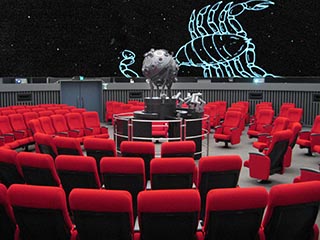
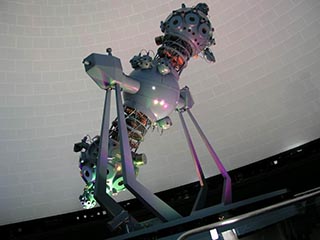
Πλανητάριο Zeiss Starmaster, ASAHIKAWA, Ιαπωνία, 2005
-
Το σύμπαν της τέχνης και οι τέχνες τ' ουρανού
kkokkolis απάντησε στην συζήτηση του/της kkokkolis σε Λοιπές Αστρονομικές Συζητήσεις
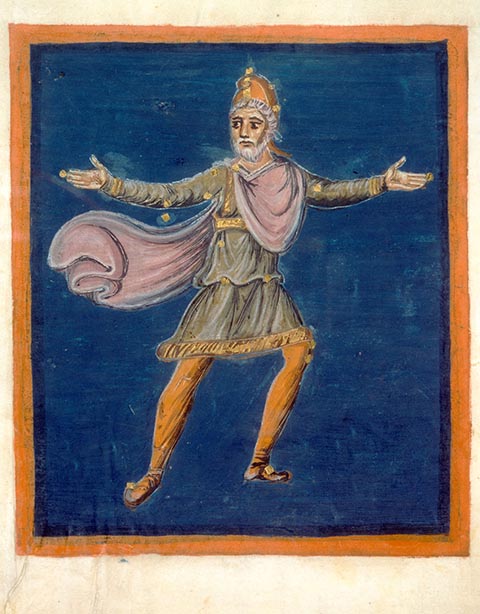
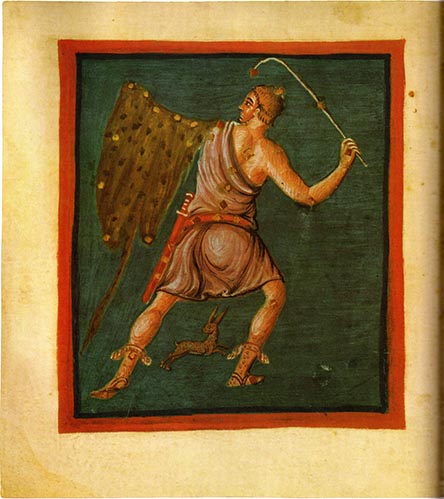
Κηφεύς, Αράτεια του Leyden, Γερμάνικους, 816μχ
-
Το σύμπαν της τέχνης και οι τέχνες τ' ουρανού
kkokkolis απάντησε στην συζήτηση του/της kkokkolis σε Λοιπές Αστρονομικές Συζητήσεις
Vacheron Constantin, Tour de l'Ile, 21ος αιώνας
-
Το σύμπαν της τέχνης και οι τέχνες τ' ουρανού
kkokkolis απάντησε στην συζήτηση του/της kkokkolis σε Λοιπές Αστρονομικές Συζητήσεις
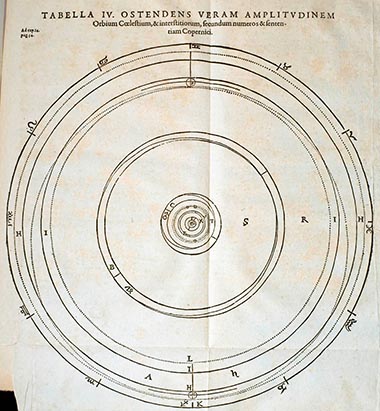
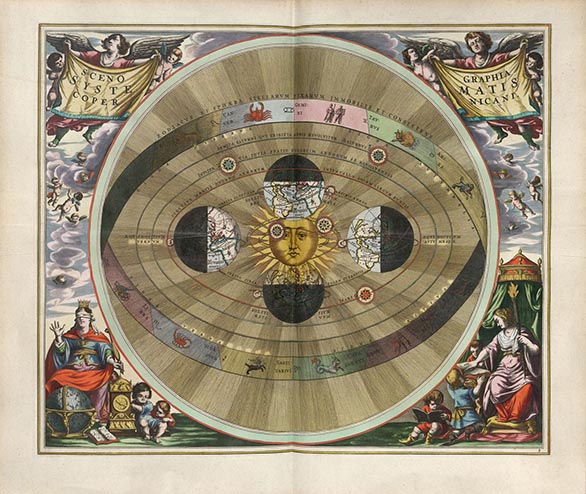
Κοπερνίκειο Σύστημα, Andreas Cellarius, 1708 Harmonia macrocosmica seu atlas universalis et novus, totius universi creati cosmographiam generalem, et novam exhibens
-
Το σύμπαν της τέχνης και οι τέχνες τ' ουρανού
kkokkolis απάντησε στην συζήτηση του/της kkokkolis σε Λοιπές Αστρονομικές Συζητήσεις
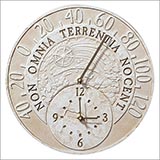
Ρολόι Fossil, 21ος αιώνας
-
Το σύμπαν της τέχνης και οι τέχνες τ' ουρανού
kkokkolis απάντησε στην συζήτηση του/της kkokkolis σε Λοιπές Αστρονομικές Συζητήσεις
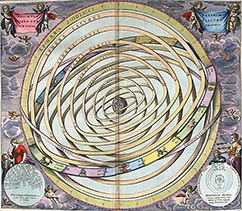
Πτολεμαϊκές Τροχιές, Harmonia Macrocosmica, Andreas Cellarius, 1661
-
Το σύμπαν της τέχνης και οι τέχνες τ' ουρανού
kkokkolis απάντησε στην συζήτηση του/της kkokkolis σε Λοιπές Αστρονομικές Συζητήσεις
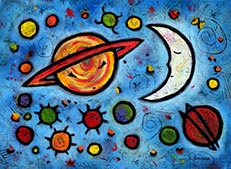
The Planets Came Out To Play With Milo Moon, Lindy Gruger Hanson, 21ος αιώνας
-
Το σύμπαν της τέχνης και οι τέχνες τ' ουρανού
kkokkolis απάντησε στην συζήτηση του/της kkokkolis σε Λοιπές Αστρονομικές Συζητήσεις
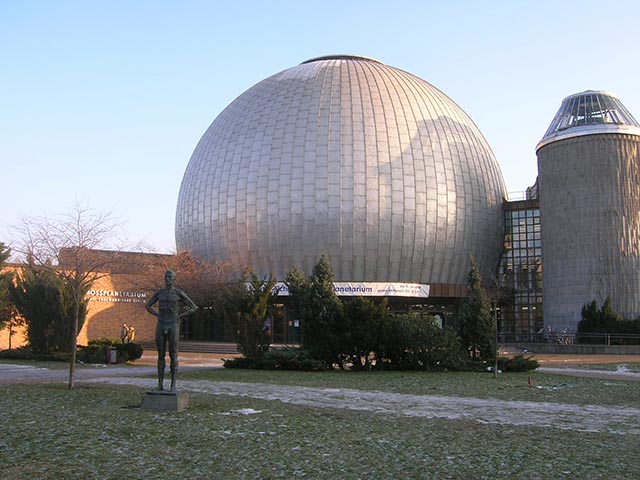
Zeiss-Großplanetarium στο Prenzlauer Allee
-
Το σύμπαν της τέχνης και οι τέχνες τ' ουρανού
kkokkolis απάντησε στην συζήτηση του/της kkokkolis σε Λοιπές Αστρονομικές Συζητήσεις
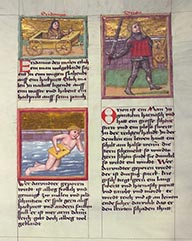
Ηριδανός και Ωρίων, Liber de signis, Michael Scotus, 1234
-
Το σύμπαν της τέχνης και οι τέχνες τ' ουρανού
kkokkolis απάντησε στην συζήτηση του/της kkokkolis σε Λοιπές Αστρονομικές Συζητήσεις
Ωρίων, Αράτεια του Leyden, Γερμάνικους, 816μχ
-
Το σύμπαν της τέχνης και οι τέχνες τ' ουρανού
kkokkolis απάντησε στην συζήτηση του/της kkokkolis σε Λοιπές Αστρονομικές Συζητήσεις
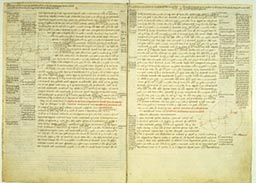
Αλμαγέστη Πτολεμαίου, Gherardo της Cremona, 1175 Αραβολατινικό κείμενο. Βιβλιοθήκη Βατικανού
-
Το σύμπαν της τέχνης και οι τέχνες τ' ουρανού
kkokkolis απάντησε στην συζήτηση του/της kkokkolis σε Λοιπές Αστρονομικές Συζητήσεις
http://www.youtube.com/watch?v=VS0CV_GWEMI Drops of Jupiter, Train, 2001 Now that she’s back in the atmosphere With drops of Jupiter in her hair, hey, hey, hey, hey She acts like summer and walks like rain Reminds me that there’s time to change, hey, hey, hey, hey Since the return from her stay on the moon She listens like spring and she talks like June, hey, hey, hey, hey hey, hey, hey, hey Tell me did you sail across the sun Did you make it to the milky way to see the lights all faded And that heaven is overrated Tell me, did you fall for a shooting star One without a permanent scar And did you miss me while you were looking for yourself out there Now that she’s back from that soul vacation Tracing her way through the constellation, hey, hey, hey mmmm..... She checks out Mozart while she does tae-bo Reminds me that there’s room to grow, hey, hey, hey, hey yea... Now that she’s back in the atmosphere I’m afraid that she might think of me as plain ol jane Told a story about a man who is too afraid to fly so he never did land Tell me did the wind sweep you off your feet Did you finally get the chance to dance along the light of day And head back to the milky way And tell me, did Venus blow your mind Was it everything you wanted to find And did you miss me while you were looking for yourself out there Can you imagine no love, pride, deep-fried chicken Your best friend always sticking up for you, even when I know you’re wrong Can you imagine no first dance, freeze dried romance five-hour phone Conversation The best soy latte that you ever had . . . and me Tell me did the wind sweep you off your feet Did you finally get the chance to dance along the light of day And head back toward the milky way Tell me did you sail across the sun Did you make it to the milky way to see the lights all faded And that heaven is overrated Tell me, did you fall for a shooting star One without a permanent scar And did you miss me while you were looking for yourself nah nah nah nah nah nah nah nah nah nah nah nah nah nah And did you finally get the chance to dance along the light of day nah nah nah nah nah nah nah nah nah nah nah nah And did you fall for a shooting star Fall for a shooting star nah nah nah nah nah nah nah nah nah nah nah nah Are you loney looking for yourself out there
-
Το σύμπαν της τέχνης και οι τέχνες τ' ουρανού
kkokkolis απάντησε στην συζήτηση του/της kkokkolis σε Λοιπές Αστρονομικές Συζητήσεις
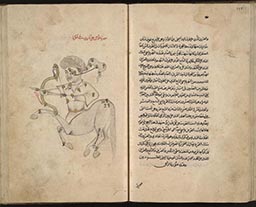
Kitab suwar al-kawakib, Al Sufi, 949μχ Βιβλίο των Αστερισμών και των Αστέρων
-
Το σύμπαν της τέχνης και οι τέχνες τ' ουρανού
kkokkolis απάντησε στην συζήτηση του/της kkokkolis σε Λοιπές Αστρονομικές Συζητήσεις
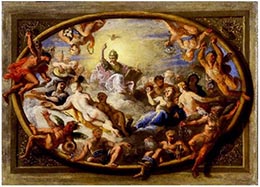
Αθηνά και ελεύθερες τέχνες, Antonio Verrio, 1700 Ελαιογραφία σε χαρτί Λονδίνο
-
Το σύμπαν της τέχνης και οι τέχνες τ' ουρανού
kkokkolis απάντησε στην συζήτηση του/της kkokkolis σε Λοιπές Αστρονομικές Συζητήσεις
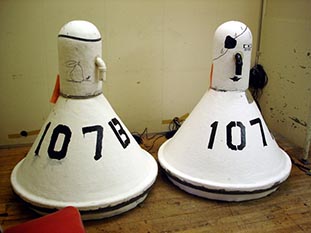
Ανιχνευτές Κοσμικών Ακτίνων ή Shmoos, Michaeltomli, 2006
-
Το σύμπαν της τέχνης και οι τέχνες τ' ουρανού
kkokkolis απάντησε στην συζήτηση του/της kkokkolis σε Λοιπές Αστρονομικές Συζητήσεις
Σφαιρική Αγελάδα, Ingrid Kallick, 1996
-
Το σύμπαν της τέχνης και οι τέχνες τ' ουρανού
kkokkolis απάντησε στην συζήτηση του/της kkokkolis σε Λοιπές Αστρονομικές Συζητήσεις
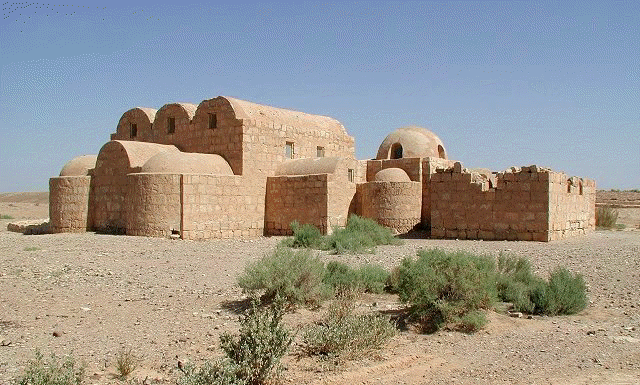
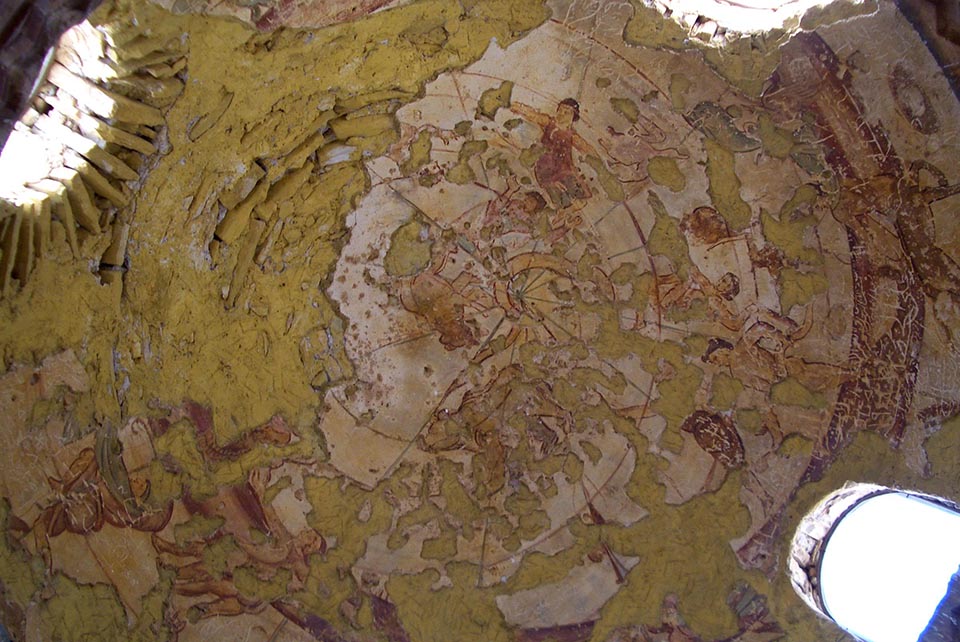
Ουρανός με αστερισμούς, Qusayr 'Amra, Ιορδανία, 715μχ Ζωγραφική σε θολωτή οροφή λουτρών
-
Το σύμπαν της τέχνης και οι τέχνες τ' ουρανού
kkokkolis απάντησε στην συζήτηση του/της kkokkolis σε Λοιπές Αστρονομικές Συζητήσεις
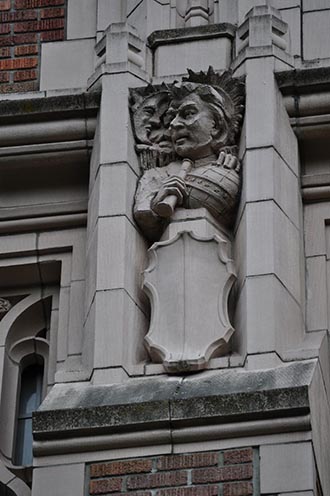
Αστρονομία, Alonzo Victor Lewis, 1922 Miller Hall, University of Washington, Seattle, Washington, ΗΠΑ
-
Το σύμπαν της τέχνης και οι τέχνες τ' ουρανού
kkokkolis απάντησε στην συζήτηση του/της kkokkolis σε Λοιπές Αστρονομικές Συζητήσεις
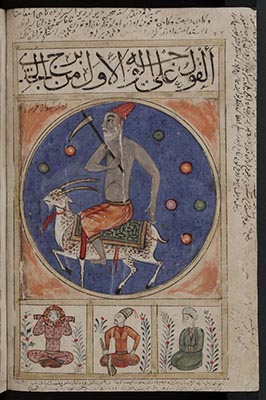
Kitab al-Bulhan, Αραβία, 14ος αιώνας μχ Αστρονομικός και αστρολογικός Κώδικας Oxford Digital Library
-
Το σύμπαν της τέχνης και οι τέχνες τ' ουρανού
kkokkolis απάντησε στην συζήτηση του/της kkokkolis σε Λοιπές Αστρονομικές Συζητήσεις
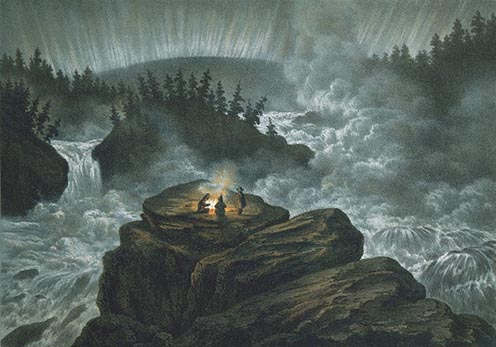
Βόρειο Σέλλας, Carl Svantje Hallbeck, 1856 Χρωμολιθογραφία Καταρράκτης Harsprånget όπου σήμερα βρίσκεται το μεγαλύτερο Σουηδικό υδροηλεκτρικό εργοστάσιο
-
Το σύμπαν της τέχνης και οι τέχνες τ' ουρανού
kkokkolis απάντησε στην συζήτηση του/της kkokkolis σε Λοιπές Αστρονομικές Συζητήσεις
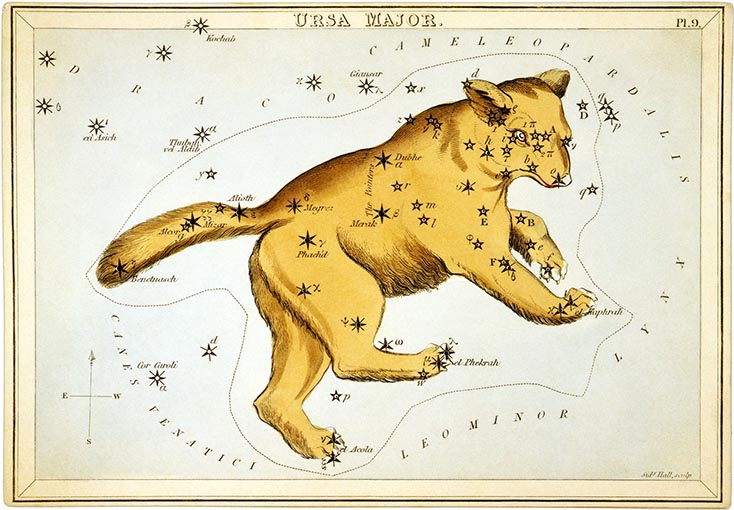
Μεγάλη Άρκτος, Sidney Hall, 1825
-
Το σύμπαν της τέχνης και οι τέχνες τ' ουρανού
kkokkolis απάντησε στην συζήτηση του/της kkokkolis σε Λοιπές Αστρονομικές Συζητήσεις
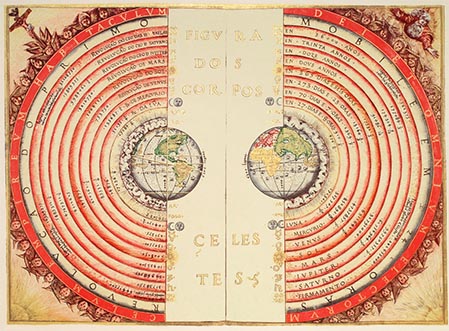
Πλανητικό Διάγραμμα, Bartolomeu Velho, 1568
-
Το σύμπαν της τέχνης και οι τέχνες τ' ουρανού
kkokkolis απάντησε στην συζήτηση του/της kkokkolis σε Λοιπές Αστρονομικές Συζητήσεις
Η πρώτη κεραία του ALMA, Atacama, Χιλή, 21ος αιώνας
-
Το σύμπαν της τέχνης και οι τέχνες τ' ουρανού
kkokkolis απάντησε στην συζήτηση του/της kkokkolis σε Λοιπές Αστρονομικές Συζητήσεις
Mysterium Cosmographicum, Johannes Kepler, 1621 Πρώτη Έκδοση 1596 Οι ουράνιες σφαίρες, σύμφωνα με τον Κοπέρνικο Βιβλιοθήκη Παν/ου Illinois
-
Το σύμπαν της τέχνης και οι τέχνες τ' ουρανού
kkokkolis απάντησε στην συζήτηση του/της kkokkolis σε Λοιπές Αστρονομικές Συζητήσεις
Why Does the Sun Shine? They Might Be Giants, 1993 The sun is mass of incandescent gas, a gigantic nuclear furnace, where hydrogen is built into helium at a temperature of millions of degrees. Yo ho! It's hot, the sun is not a place where we could live. But here on earth there'd be no life without the light it gives. We need its light. We need its heat. We need its energy. Without the sun without a doubt there'd be no you and me. The sun is mass of incandescent gas, a gigantic nuclear furnace. Where hydrogen is built into helium at a temperature of millions of degrees. The sun is hot. The sun is so hot, that everything on it is a gas, copper, iron, aluminum on the surface of the sun are all gas. The sun is large. The sun is so large, a million earths could fit inside, and yet the sun's just a middle-sized star. The sun is far away. Its about 93 million miles away, and thats why it looks so small! But even when its out of sight, it shines night and day. The sun gives light. The sun gives heat. The sunlight that we see. The sunlight comes from our own sun's atomic energy. [scientists have found that the sun is a huge atom-crushing machine. The heat and light of the sun are caused by the nuclear reactions between hydrogen, Carbon, Nitrogen, and helium!] The sun is mass of incandescent gas, a gigantic nuclear furnace. Where hydrogen is built into helium at a temperature of millions of degrees.


.jpg.ed1cc7d6649447adc3a35a553f2543b6.jpg)